
Dubrovnik: Walking Through the Pearl of the Adriatic
Dubrovnik, often referred to as the “Pearl of the Adriatic,” is one of the most beautiful cities in the Mediterranean. Nestled along the southern coast of Croatia, this UNESCO World Heritage site is renowned for its stunning old town, rich history, and breathtaking views of the azure Adriatic Sea. With its captivating blend of medieval architecture, vibrant cultural heritage, and striking landscapes, Dubrovnik is a must-visit destination for anyone exploring Croatia. Whether you’re a history enthusiast, a lover of architecture, or simply in search of natural beauty, Dubrovnik has something to offer.
The Walls of Dubrovnik: A Historical Marvel
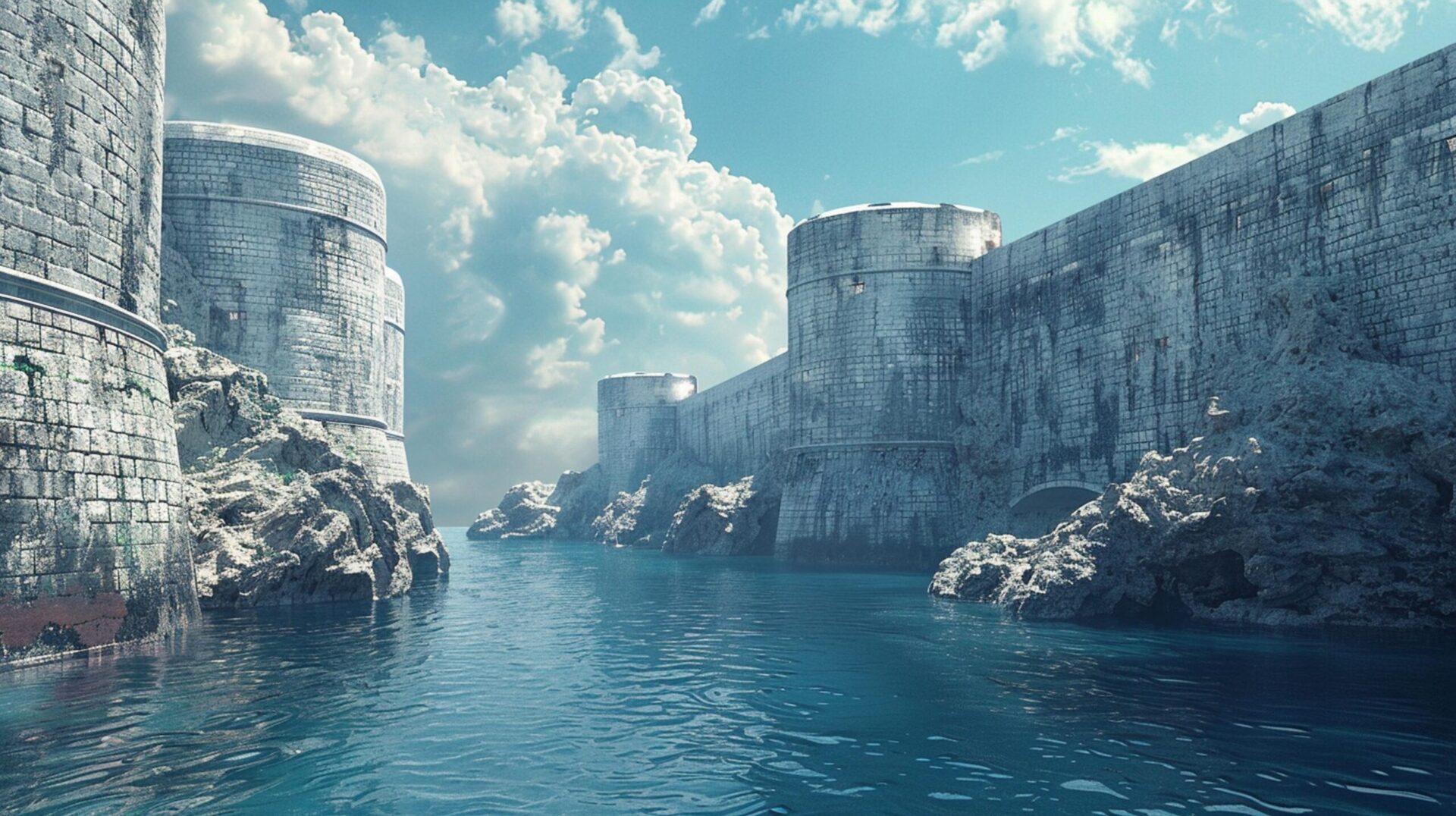
One of the defining features of Dubrovnik is its remarkably well-preserved city walls, which date back to the 13th century. Encircling the Old Town, the city walls offer panoramic views of the town, the sea, and the nearby islands. Walking along the walls is one of the best ways to appreciate Dubrovnik’s strategic position and its incredible fortifications. The walls are punctuated by impressive fortresses, including the massive Lovrijenac Fortress, which once protected the city from invaders.
The defensive walls not only served a practical purpose but also add to the charm and grandeur of the city. As you stroll along them, you’ll pass by ancient cannons, watchtowers, and scenic vistas that take you back in time. The Dubrovnik city walls have also gained fame among fans of the hit television series Game of Thrones, as they served as the backdrop for King’s Landing, the capital of Westeros.
Stradun: The Heart of Dubrovnik
The main street of Dubrovnik, Stradun (or Placa), runs through the heart of the Old Town and is lined with limestone-paved sidewalks. This wide, bustling street is the city’s social and commercial hub, where locals and tourists alike gather to enjoy cafes, restaurants, and shops. As you walk down Stradun, you’ll notice the harmonious blend of Renaissance and Baroque architecture, with buildings adorned with ornate facades, arches, and columns.
At the eastern end of Stradun lies the Pile Gate, the main entrance to the Old Town, and at the western end is the Old Port. The street is home to several key historical landmarks, such as the Church of St. Blaise, the Rector’s Palace, and the Sponza Palace. Each building has its own story to tell, and walking along Stradun feels like taking a step back in time to the golden age of Dubrovnik.
The Rector’s Palace and Sponza Palace: Stepping Into History
Dubrovnik’s historical significance is deeply tied to its position as a major maritime power during the medieval period. The Rector’s Palace, once the seat of the city’s government, is an exceptional example of Renaissance architecture. Today, the palace houses a museum that showcases the city’s political and cultural history. The building’s elegant courtyard and ornate rooms are a testament to the wealth and influence Dubrovnik once enjoyed.
Just a short walk away is the Sponza Palace, another architectural gem. This 16th-century palace served as a customs house and treasury, and today it is home to the Dubrovnik State Archives. The palace’s elegant facade, with its intricate carvings and beautiful arches, is a perfect example of the city’s unique architectural style. Visitors can admire the building’s historical significance while exploring its rooms filled with ancient manuscripts and documents.
Dubrovnik’s Old Port: A Glimpse of the Mediterranean
Located at the western end of Stradun, Dubrovnik’s Old Port is a picturesque harbor that offers stunning views of the surrounding coastline and the crystal-clear waters of the Adriatic Sea. The port has been in use for centuries, and it continues to be a hub for maritime activity today. From here, you can take boat tours to nearby islands such as Lokrum, an island with lush greenery and historic sites, or visit the Elaphiti Islands, known for their untouched beauty.
The Old Port is also home to the Maritime Museum, which chronicles Dubrovnik’s seafaring history and its role as a powerful maritime republic. You can learn about the city’s naval prowess and view artifacts such as ancient ship models and navigational instruments.
Dubrovnik’s Culinary Delights: A Taste of the Adriatic
No visit to Dubrovnik would be complete without sampling the local cuisine. The city’s culinary scene is influenced by both Mediterranean and Eastern European flavors, with an emphasis on fresh seafood, olive oil, and locally grown produce. In the Old Town, you’ll find a variety of restaurants and taverns serving traditional Dalmatian dishes such as black risotto, grilled fish, and peka (a slow-cooked meat dish).
For dessert, indulge in Dubrovnik’s famous Rozata, a creamy custard pudding similar to crème brûlée. And, of course, no meal is complete without a glass of local wine. Croatia boasts a rich wine tradition, and the Dubrovnik region is known for its white wines, particularly the Pošip variety.
Conclusion: A Timeless Treasure
Dubrovnik is a city that offers much more than meets the eye. From its ancient city walls to its bustling streets, historical landmarks, and incredible food scene, the city is a testament to the power, culture, and beauty of the Adriatic. Whether you’re walking through its medieval streets, enjoying the views from the city walls, or simply relaxing by the sea, Dubrovnik is a destination that will leave you with memories to cherish forever. It’s no wonder it has earned the nickname “The Pearl of the Adriatic”—a title that perfectly encapsulates its charm, elegance, and timeless beauty.
Recent Posts

Croatia’s Best Music Festivals 2025 – Hospitality on the Beach, Love International & Outlook Origins

Things to Do in Dubrovnik – Best Group & Adventure Activities
